

EV Charger for Home UAE: What You Actually Need to Know Before You Install One
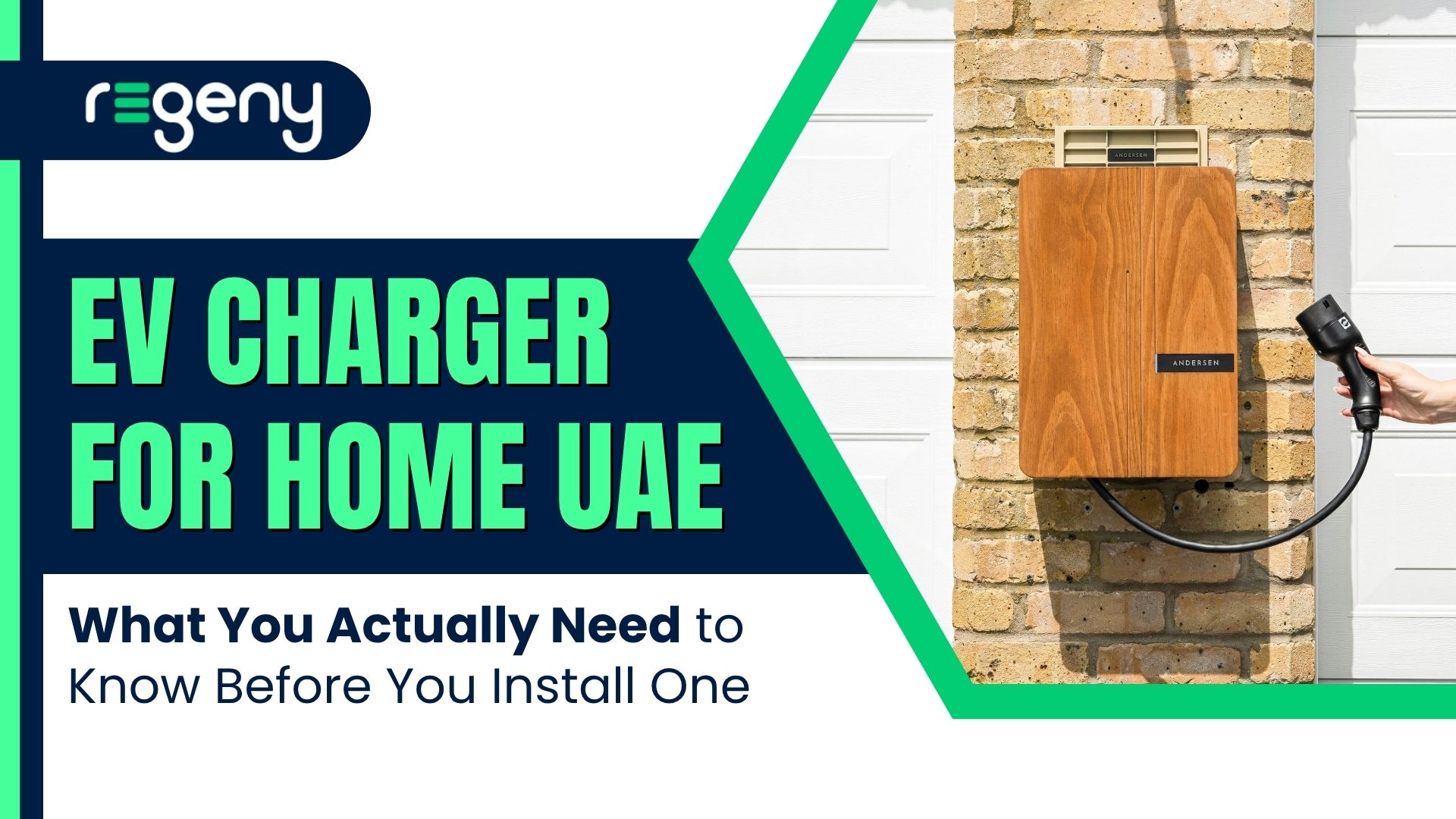
So you bought the car. Congrats. Now comes the boring bit nobody warns you about.
Where does it charge every day?
Public stations are fine when you’re out and about, but let’s be honest, nobody wants to plan their morning around finding a free charging bay. That’s exactly why an EV charger for home UAE setup matters so much once the excitement of the new car wears off. You plug it in at night, you forget about it, and the next morning it’s full. That’s it.
This piece walks through what an EV charger for home UAE actually looks like in practice, what it costs, the approvals you’ll need, and the small things people usually get wrong before an installer even shows up.
Why Home Charging Beats Public Charging Most Days
Here’s the thing about EVs that people don’t think about until they own one. Your car is parked for most of the day and night anyway. With a petrol car, that’s just dead time. With an EV, it’s free charging time sitting right there.
An EV charger for home unit takes advantage of exactly that. Public DC fast chargers are great when you’re on a long drive or short on time, but using them every day means detours, queues, and building your schedule around whether a bay is open. Charging at home skips all of that. You plug in, you sleep, you drive off with a full battery.
The Different Types of Home Chargers You’ll Come Across
Not every home charger is the same. Before you install one, it helps to know what you are choosing between.
Level 1 Charging (Standard Plug)
This is just your regular home socket. It works, but slowly. A full charge can take well over 24 hours depending on battery size. Most owners use this only as a backup, not as their main setup.
Level 2 AC Charging (7kW to 22kW)
This is the standard choice for an EV charger for home UAE installation. A 7kW unit can fully charge most EVs overnight. A 22kW charger can reduce charging time if your electrical supply and your vehicle’s onboard AC charger both support that charging rate. Villas and townhouses usually have more flexibility here than apartments.
Managed Charging for Apartments and Shared Parking
If you live in an apartment, a shared charger system is usually the answer. These units track usage per resident, handle billing separately, and stay within DEWA’s electrical load requirements for the building. This is where most residential installations across Dubai and Abu Dhabi are heading right now.
What Does an EV Charger for Home UAE Cost?
Three things decide your total cost: the unit itself, the labour to install it, and whether your home needs any wiring upgrades first.
A basic 7kW charger sits at a fairly reasonable price, and installation adds more on top depending on how far the cables need to run and whether the electrical panel needs work. Villas with spare capacity already built in are usually cheaper to fit out than older apartments that need panel upgrades before anything can go in.
Where an EV charger for home UAE setup really shows its value is the running cost. The UAE has one single tariff now for EV charging, with slow charging priced from AED 0.70 plus VAT per kWh. Charge a 60kWh battery fully at home, and you’re looking at roughly AED 42 plus VAT, which is nothing compared to what fuel would cost you for the same distance.
Do You Actually Need Permission First?
Yes. And this is the step people skip most often, then regret.
Villa owners generally have it easier since the property is theirs to modify, though the electrical work still needs DEWA sign off. Apartment owners have an extra hoop to jump through, getting approval from building management or the owners’ association, since it touches shared electrical systems.
Whoever installs your EV charger for home UAE should be working under DEWA’s approved framework, not cutting corners. This isn’t red tape for no reason either. It covers wiring safety, how much load the building can actually take, and whether adding your charger will trip anything down the line.
Regeny already sorts this directly with developers like EMAAR, AZIZI, and Imtiaz, so a lot of that compliance headache is handled before installation day even arrives.
Things Worth Checking Before You Commit
A few things separate a smooth EV charger for home UAE installation from a frustrating one.
Building approval first. Apartment residents need this sorted before ordering any hardware. Skipping this step is the most common reason installations get delayed.
Electrical load capacity. Older buildings sometimes cannot support a 22kW unit without upgrades. A proper site check before installation avoids surprises later.
Connector type. Type 2 is the standard connector across the UAE for AC home charging. Most EVs sold here, including Tesla Model 3, Hyundai Ioniq, BMW iX, BYD Atto, and MG ZS EV, use it without any adapter needed.
Billing setup for shared parking. If you share parking with other residents, ask how usage gets tracked and billed. A managed system should separate this cleanly per user.
Support after installation. Ask what happens if the unit stops working. A good provider offers ongoing support, not just a one-time install and goodbye.
Where the Regeny App Comes In
An EV charger for home UAE unit works a lot better when there’s an app behind it doing the tracking.
The Regeny EV Charging App shows you your charging sessions, how much energy you’ve used, and what it’s costing you, without you having to keep a manual tally of anything. In managed buildings, Regeny’s platform can also support usage tracking and billing across multiple users, so residents aren’t left sorting that out among themselves.
It shows nearby public stations too, so home charging and everything outside the house sit in one app instead of two separate ones you have to juggle.
Home Charging Against Public Charging, Realistically
Most owners end up using both, just for different things.
Home charging handles the everyday routine. Overnight, barely any effort, cheap. This is where an EV charger for home UAE setup earns its keep and quietly saves you money every month.
Public DC fast charging handles the exceptions. Long road trips, the odd night you forgot to plug in, or a visit somewhere without home access. It’s the backup plan, not the daily habit.
People who set up home charging early tend to stop thinking about charging altogether. It becomes as automatic as charging your phone before bed. People who skip it end up mapping their week around public stations, which gets old fast.
The Honest Bit
Setting up an EV charger for home UAE isn’t complicated once you know what’s involved. Sort building approval, pick a charger size that fits your setup, make sure DEWA compliance is covered, and get the wiring done right the first time round.
The cost pays for itself quickly once you compare it against fuel prices over a year. And the daily convenience, plugging in at night and driving off with a full battery every morning, is the part most owners say they underestimated before buying an EV.
Villas have the easier road here. Apartments have one extra approval step to deal with. Either way, once approvals are sorted, the actual installation can often be completed in around 3 to 4 hours.
Get Started Here
If you’re thinking about an EV charger for home UAE installation, whether it’s for a villa, an apartment, or a whole residential building you’re managing, Regeny handles the entire process, from DEWA approval to the hardware to the app that ties it together.